
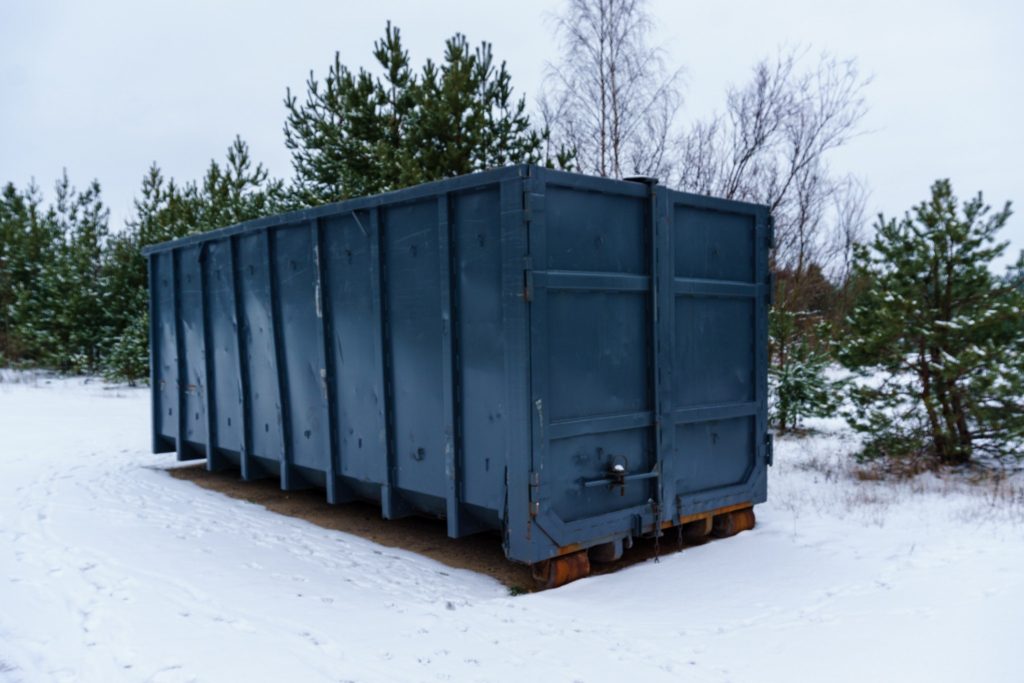
When temperatures drop and snow begins to fall, waste management becomes more challenging for homeowners, contractors, and business owners alike. Cold weather can create safety hazards, delay projects, and damage equipment if proper precautions aren’t taken. That’s why understanding the best practices for winter dumpster rental is essential for keeping your project on track during the colder months.
Whether you’re handling a home renovation, construction job site, commercial cleanup, or seasonal property maintenance, planning ahead can make all the difference. In this comprehensive guide, we’ll cover everything you need to know about managing dumpsters safely and efficiently in winter conditions.
Why Winter Dumpster Rental Requires Special Attention
Winter weather brings unique challenges that impact waste management:
- Snow and ice buildup around dumpsters
- Frozen or stuck dumpster doors
- Limited access due to snowbanks
- Slippery surfaces increasing injury risks
- Heavier debris due to moisture and ice accumulation
Without proper preparation, these issues can lead to project delays, safety concerns, and unexpected costs. A well-planned winter dumpster rental strategy helps avoid these problems while maintaining productivity.
1. Choose the Right Dumpster Size for Winter Conditions
Selecting the appropriate dumpster size is always important, but it’s especially critical in winter.
Why Size Matters More in Winter
- Snow and ice can add weight to debris.
- Frozen materials are heavier and harder to compact.
- Access for additional hauls may be limited during storms.
If you’re unsure, consider slightly upsizing your dumpster to accommodate extra weight and volume. Overfilling is more problematic in winter because snow-covered debris may conceal overloaded conditions, leading to pickup delays or additional fees.
2. Prepare the Placement Area Before Delivery
One of the most overlooked aspects of winter dumpster rental is proper site preparation.
Clear Snow and Ice in Advance
Before the dumpster arrives:
- Shovel and remove snow from the placement area.
- Apply salt or sand to prevent ice formation.
- Ensure the ground is level and stable.
Protect Driveways and Surfaces
Frozen ground may seem solid, but thaw cycles can cause shifting. Use plywood or protective boards under the dumpster to prevent cracking driveways or damaging paved surfaces.
Proper site preparation ensures smooth delivery and pickup—even during fluctuating winter temperatures.
3. Maintain Safe Access Throughout the Rental Period
Snowstorms don’t stop once your dumpster is delivered. Ongoing maintenance is key.
Keep Access Paths Clear
- Regularly remove snow from around the dumpster.
- Clear a wide enough path for safe loading.
- Ensure the truck can access the container for scheduled pickup.
If a dumpster becomes inaccessible due to snow buildup, you may incur additional service charges or delays. Keeping the area clear ensures efficient winter dumpster rental service.
4. Prevent Frozen Doors and Hinges
Cold temperatures can cause metal components to freeze, making it difficult to open or close dumpster doors.
Tips to Prevent Freezing
- Open and close doors periodically to prevent ice buildup.
- Remove snow from hinges after storms.
- Apply a lubricant designed for cold weather to moving parts.
If doors freeze shut, avoid forcing them open. This can cause damage or injury. Instead, carefully remove ice buildup using safe de-icing methods.
5. Distribute Weight Evenly
Uneven weight distribution becomes more problematic in winter because frozen debris is harder to adjust once placed.
Best Practices
- Place heavy materials evenly across the bottom.
- Avoid stacking all heavy items on one side.
- Break down large frozen debris before loading.
Balanced loading helps ensure safe transportation and prevents shifting during icy road conditions.
6. Avoid Mixing Snow and Ice with Debris
While it may seem convenient to toss snow into your dumpster, it’s not recommended.
Why You Shouldn’t Add Snow
- Snow adds unnecessary weight.
- Melting snow increases moisture levels.
- Excess water can exceed weight limits.
- Pickup trucks may reject overloaded containers.
Keep snow removal separate from your debris disposal to maximize efficiency during your winter dumpster rental.
7. Monitor Weight Limits Carefully
Winter debris often weighs more due to moisture and freezing temperatures. Materials such as drywall, wood, carpet, and roofing shingles absorb moisture, increasing overall load weight.
How to Avoid Overweight Charges
- Break materials into smaller pieces.
- Avoid saturating debris with melting snow.
- Ask your rental provider about weight allowances.
Understanding weight limits is especially important for construction and renovation projects during winter months.
8. Plan Around Winter Weather Forecasts
Weather planning is a crucial part of cold weather waste management.
Schedule Strategically
- Avoid scheduling deliveries during major snowstorms.
- Build buffer days into your project timeline.
- Monitor forecasts to prepare for heavy snowfall.
Flexibility can save time and prevent unnecessary complications. Communicate with your rental provider if severe weather is expected.
9. Prioritize Safety for Workers and Homeowners
Safety should always be a top priority, especially when dealing with icy conditions.
Winter Safety Tips
- Wear slip-resistant footwear.
- Use gloves when handling cold metal surfaces.
- Install temporary lighting if daylight hours are limited.
- Keep pathways well-lit and salted.
A properly managed winter dumpster rental minimizes risk while maintaining workflow efficiency.
10. Work with an Experienced Dumpster Rental Provider
Not all companies are equally prepared for winter conditions. Partnering with an experienced provider ensures:
- Reliable winter scheduling
- Proper equipment for icy roads
- Clear communication during storms
- Guidance on cold weather best practices
Choose a company familiar with local winter challenges and regulations to ensure smooth service from start to finish.
Common Winter Dumpster Rental Mistakes to Avoid
To further protect your project, avoid these common errors:
❌ Waiting until after heavy snowfall to clear the area
❌ Overfilling the dumpster with snow-covered debris
❌ Ignoring icy access routes
❌ Forcing frozen doors open
❌ Failing to monitor weight limits
By avoiding these mistakes, you reduce risks, delays, and unexpected fees.
Benefits of Renting a Dumpster in Winter
While winter brings challenges, there are also advantages:
- Less competition for rental availability
- Flexible scheduling in slower seasons
- Potential off-season pricing
- Ideal time for indoor renovations
A well-planned winter dumpster rental can actually be more efficient and cost-effective compared to peak construction seasons.
Final Thoughts: Make Winter Dumpster Rental Work for You
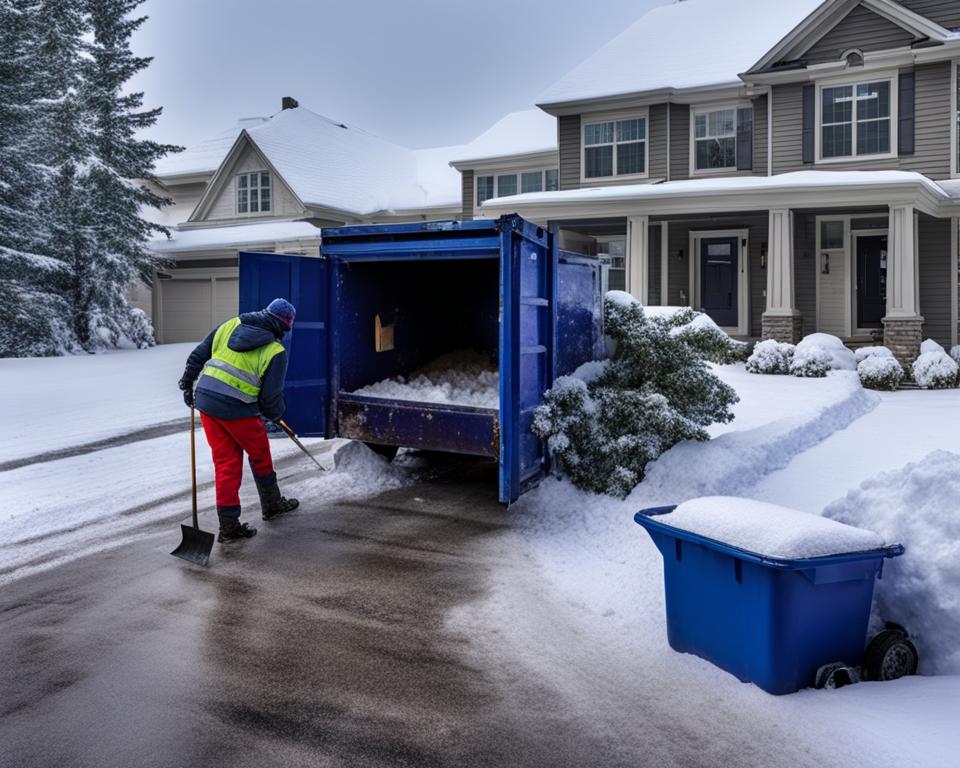
Cold weather doesn’t have to derail your cleanup or construction plans. With proper planning, site preparation, safety measures, and ongoing maintenance, your winter dumpster rental can operate just as smoothly as during warmer months.
Key takeaways:
- Prepare the site before delivery.
- Keep access routes clear.
- Monitor weight limits carefully.
- Prevent freezing of doors and hinges.
- Work with experienced professionals.
By following these best practices, you’ll ensure safe, efficient cold weather waste management all season long.
If you’re planning a renovation, construction project, or major cleanup this winter, taking proactive steps today will help you avoid costly setbacks tomorrow. With the right strategy in place, winter conditions become manageable—not disruptive.