
The film industry has a long-standing reputation for scale—large sets, large teams, and large amounts of materials used to bring creative visions to life. But with that scale comes a significant waste footprint. From disposable food packaging at craft services to temporary set builds and costume materials, waste can accumulate quickly and unintentionally. Today, however, sustainability has become a major priority for studios, production companies, and independent filmmakers alike. As a result, on-set waste reduction has emerged as one of the most important initiatives shaping modern film production.
In 2026, industry expectations are higher than ever. Environmental permits, tax incentives, and green production certifications encourage studios to rethink their waste practices. More importantly, crew members, actors, and even audiences expect film companies to take a responsible approach to waste. Let’s explore the smartest and most effective strategies that modern film crews are using to reduce waste and embrace greener production methods.
1. Building a Zero-Waste Mindset From Pre-Production
Effective on-set waste reduction doesn’t begin when cameras start rolling—it begins during pre-production. When sustainability is incorporated early in the planning phase, productions are much more successful in diverting waste from landfills.
Modern productions start by creating eco-friendly production plans, which outline:
- The materials that will be purchased
- Potential waste sources
- Recycling and composting requirements
- Donation and reuse options
- Vendor sustainability expectations
Many studios now assign a Sustainability Coordinator or Zero-Waste Officer to oversee these initiatives. Their job is to ensure that waste reduction strategies align with regulatory expectations and the goals of the production team.
By planning ahead, film crews can make better decisions about set materials, catering supplies, props, wardrobe items, and transportation—significantly reducing unnecessary waste during filming.
2. Renting and Reusing Set Materials
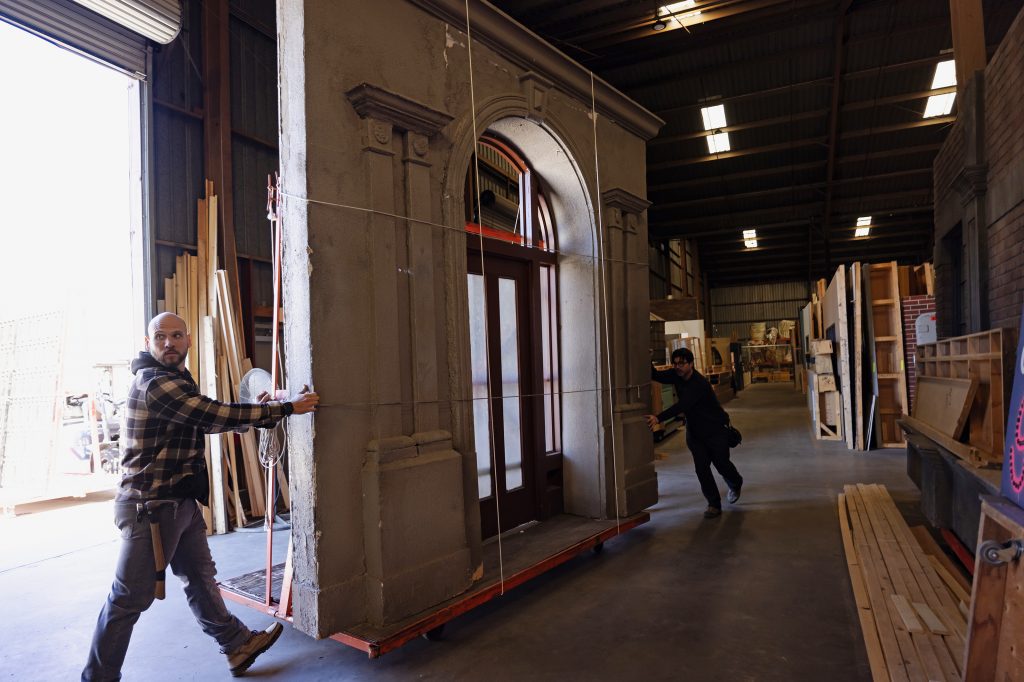
Building sets from scratch creates a massive waste burden, particularly when productions wrap and dismantle everything. To combat this, film crews are increasingly turning to rental houses, shared prop warehouses, and sustainable design companies.
Benefits of Rental and Reuse Systems Include:
- Lower material costs
- Reduced landfill waste
- Faster set assembly
- Access to professional-grade materials
- Streamlined storage and logistics
Many productions use modular set pieces that can be rebuilt or rearranged for different scenes. This circular approach supports on-set waste reduction while helping teams stay on budget.
Production designers are also maintaining detailed digital inventories of props and set materials, allowing them to reuse items across multiple projects. This prevents unnecessary purchases and significantly limits waste output.
3. Smarter Craft Services and Catering Solutions
Craft services and catering are among the largest sources of single-use waste on any film set. Disposable cutlery, plastic bottles, food wrappers, and leftover meals add up quickly. Modern film crews are taking big steps to improve sustainability in this area.
Effective Catering Strategies for Waste Reduction:
- Eliminating single-use plastics
- Providing water refill stations
- Using reusable or compostable food containers
- Partnering with local food recovery organizations
- Composting food scraps
- Preparing meals in batch quantities to reduce excess
Some productions now offer each crew member a reusable bottle and meal container at the beginning of the project. These small steps contribute significantly to on-set waste reduction while also fostering a culture of sustainability.
4. Implementing On-Set Sorting Stations
Proper sorting plays a huge role in keeping waste out of landfills. Modern productions use designated recycling, composting, and waste disposal stations throughout the set.
Effective Sorting Station Features Include:
- Color-coded bins
- Clear signage with images
- Separate areas for hazardous or specialty waste
- Supervision by trained staff
Crews are instructed during daily briefings on what can and cannot be recycled. When team members understand the system, waste diversion rates improve dramatically.
Some productions even use smart waste bins, which track how much waste the production generates and report diversion metrics. These tools allow teams to make adjustments during filming rather than waiting until wrap-up to evaluate their success.
5. Sustainable Sourcing for Costumes and Props
From wardrobe to props, film productions often purchase large quantities of items that may only be used for a few scenes. To support on-set waste reduction, many crews now adopt sustainable sourcing strategies.
Popular Methods Include:
- Renting costumes instead of buying
- Purchasing materials made from recycled fabrics
- Reusing wardrobe items from previous productions
- Donating unwanted clothing to shelters or charity programs
Props departments are also switching to upcycled materials—using refurbished items or materials already in circulation instead of relying on new purchases. Not only does this reduce waste, but it also gives productions unique items that add authenticity to the set.
6. Digital Tools Minimize Paper Waste
In the past, paper call sheets, printed scripts, and hard-copy schedules were standard practice. Today, digital tools have transformed how film crews communicate and operate. By fully embracing digital workflows, productions can drastically reduce paper usage.
Common Digital Tools Include:
- Mobile call sheet apps
- Digital script software
- Cloud-based scheduling systems
- Shared digital storage for production documents
This shift not only supports on-set waste reduction, but it also improves communication efficiency and ensures everyone has real-time updates.
7. Donating and Repurposing Materials After Wrap
What happens after a production wraps can make just as big an impact as what happens during filming. Instead of tossing leftover items, modern film crews look for opportunities to donate or repurpose materials.
Common Recipients Include:
- Schools and theater groups
- Charities and shelters
- Community arts organizations
- Nonprofit resale shops
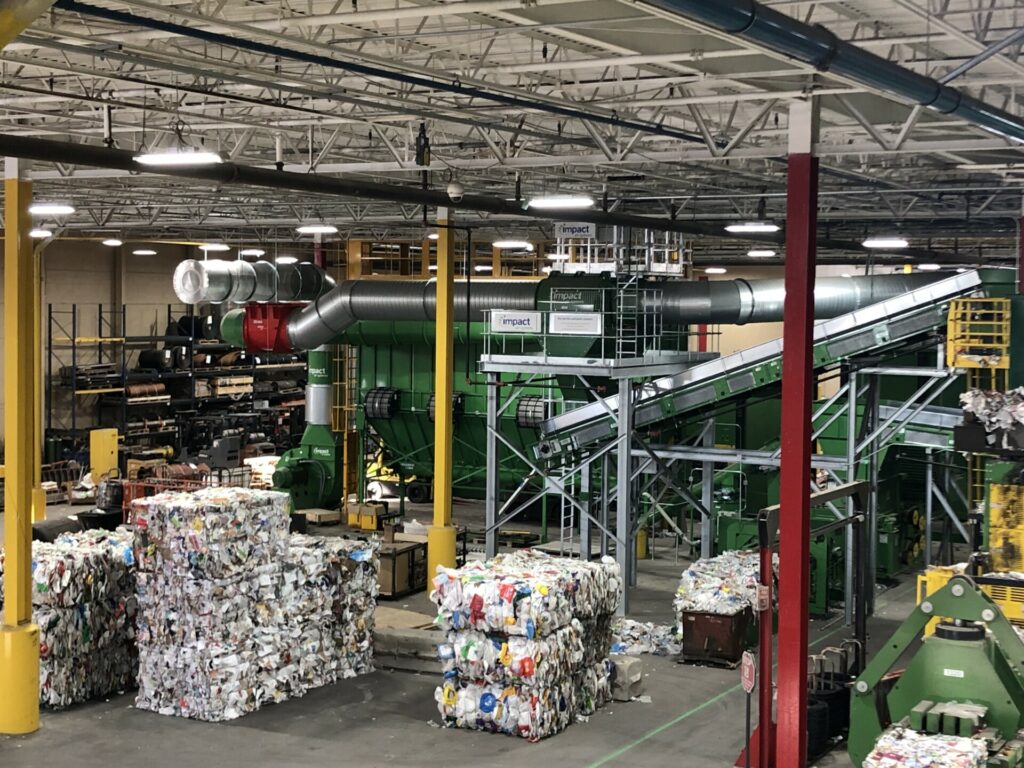
- Local recycling centers
Some productions even maintain partnerships with organizations that specialize in redistributing used film materials to communities that need them. This extends the life of valuable resources and dramatically reduces the volume of trash generated at the end of a shoot.
8. Training and Communication Keep Waste Reduction on Track
Even the best waste-reduction system can fall apart without proper communication. That’s why training is a key component of modern sustainability efforts.
Daily briefings, signage, and crew workshops help ensure everyone understands their role in reducing waste. Some productions reward departments that follow sustainability guidelines or achieve high diversion rates. These incentives help reinforce good habits and strengthen team engagement.
Conclusion: Building a Greener Future for Filmmaking
As the film industry evolves, on-set waste reduction is no longer a trend—it’s a necessity. Modern film crews are proving that sustainability and creativity can coexist without sacrificing production quality or efficiency. By integrating thoughtful planning, smart sourcing, recycling systems, digital tools, and community partnerships, productions can dramatically cut waste and minimize their environmental impact.
Whether you’re working on an independent film or a major studio project, the strategies used in today’s productions are accessible, cost-effective, and highly impactful. By making waste reduction a priority, your film crew can contribute to a cleaner, more responsible, and more sustainable future for the industry.