

The film industry has always been known for its creativity, ambition, and large-scale productions. But behind the scenes, traditional filmmaking has also been responsible for generating significant waste—from set materials and costumes to props, food scraps, packaging, and hazardous materials. As environmental expectations rise around the world, production companies in 2026 are rethinking how they operate. One of the most notable shifts is the transformation of film waste disposal, a process that is becoming smarter, greener, more regulated, and far more integrated into pre-production planning than ever before.
Today’s productions are not just trying to reduce waste; they are striving to build sustainability into the core of the filmmaking process. Here’s a closer look at how film waste disposal is evolving in 2026 and what this means for studios, production companies, and the industry as a whole.
1. Sustainability Standards Are Becoming Standard Practice
Just a decade ago, “going green” was considered optional or a marketing advantage. In 2026, sustainable operations are quickly becoming the expected norm for production teams. This change is driven by a mix of regulatory pressure, incentive programs, and higher expectations from actors, crew members, and audiences.
More cities and film commissions now require detailed environmental plans before granting filming permits. These plans must outline everything from water use and recycling methods to fuel consumption and waste diversion percentages. As a result, film waste disposal is now part of the earliest stages of project planning rather than an afterthought once filming begins.
Productions that meet or exceed sustainability standards often receive tax credits, faster permit approvals, or recognition programs such as green film certifications—making eco-friendly waste management not only responsible but also cost-effective.
2. Circular Set Design Is Reducing Material Waste
One of the biggest advances in 2026 is the rise of circular design practices. Instead of building sets that are demolished and thrown away at the end of production, studios are adopting new systems to repurpose, recycle, or rent materials.
Key Circular Practices Include:
- Modular set construction made with reusable components
- Digital inventories to track props and materials and prevent over-ordering
- Partnerships with theaters, schools, and art programs to donate items
- Recycling programs that sort wood, metal, plastics, and fabrics
By shifting to circular systems, many productions have reduced their waste output by up to 50–70%. This not only cuts disposal costs but also decreases the environmental footprint associated with building sets from scratch.
Circular set design also aligns with the larger industry trend of reducing carbon emissions across the entire production cycle. Because manufacturing new materials contributes significantly to emissions, reusing existing ones has become a powerful strategy for greener filmmaking.
3. Advanced On-Set Sorting Stations Improve Waste Accuracy
The days of tossing everything into a single dumpster are quickly fading. In 2026, productions are making film waste disposal more efficient through advanced on-set sorting systems. These stations help crews separate:
- Organics
- Recyclables
- Reusables
- Hazardous materials
- Specialized waste (like e-waste and batteries)
To make the process easier, many productions now use smart bins equipped with sensors, digital scales, and AI-assisted sorting tools. These systems track exactly how much waste is produced daily, helping teams adjust their practices and stay accountable to sustainability goals.
Some sets even employ “Zero-Waste Officers”—dedicated crew members who oversee sorting and ensure everything is disposed of correctly. This role has grown rapidly in demand, reflecting the industry’s shift from casual recycling efforts to full-scale waste management strategies.
4. Partnerships With Eco-Friendly Disposal Companies Are Expanding
In the past, production companies often worked with general waste services that lacked experience handling the unique waste streams found on film sets. But in 2026, more productions are partnering with specialized companies that focus specifically on film waste disposal.
These companies provide services such as:
- On-set waste management consulting
- Dumpster rental designed for film workflows
- Green waste diversion reporting
- Recycling and composting services
- Hazardous waste removal and compliance support
They also generate detailed waste reports that help productions demonstrate compliance with environmental regulations—a requirement for many modern permits and certifications.
Because these providers understand the pace and complexity of film sets, they help studios keep recycling efforts efficient without slowing down production schedules.
5. Digital Tools Are Transforming Waste Tracking and Reporting
One of the biggest advancements of 2026 is the adoption of digital waste-tracking tools. These platforms allow studios to monitor waste output in real time and create more accurate sustainability reports.
Modern platforms track key metrics such as:
- Amount of waste diverted from landfills
- Carbon impact of materials used
- Fuel and energy consumption
- Compliance with environmental standards
This data helps studios identify weaknesses, adjust their on-set processes, and meet their sustainability goals more easily. It also enables production companies to make informed decisions when selecting vendors, materials, and filming locations.
As these tools become more widespread, waste reporting is becoming just as important as budgeting, scheduling, and script breakdowns.
6. Renewable and Biodegradable Materials Are Becoming the New Norm
From biodegradable catering supplies to compostable packaging and sustainable costume fabrics, 2026 is seeing a significant shift toward environmentally friendly materials. Many of these products are now cost-competitive with traditional materials, making them accessible even for smaller productions.
Examples include:
- Compostable food service items
- Plant-based plastics
- Recycled-content fabrics
- LED lighting equipment with lower energy use
- Non-toxic paints and adhesives
Using greener materials reduces the volume of waste sent to landfills and makes film waste disposal far easier to manage. In many cases, it also improves the health and safety of cast and crew by minimizing exposure to toxic chemicals.
7. Push Toward Zero-Waste Productions
The ultimate goal for many studios in 2026 is achieving zero-waste production. While reaching a true zero-waste outcome is challenging, more productions are getting remarkably close by:
- Limiting single-use items
- Implementing strict waste-sorting guidelines
- Reusing props and set pieces
- Partnering with donation networks
- Using composting programs
- Integrating sustainability into daily crew habits
Large production companies and streaming platforms are leading the charge, setting ambitious goals that influence the entire industry.
Conclusion: A Greener Future for Film Production
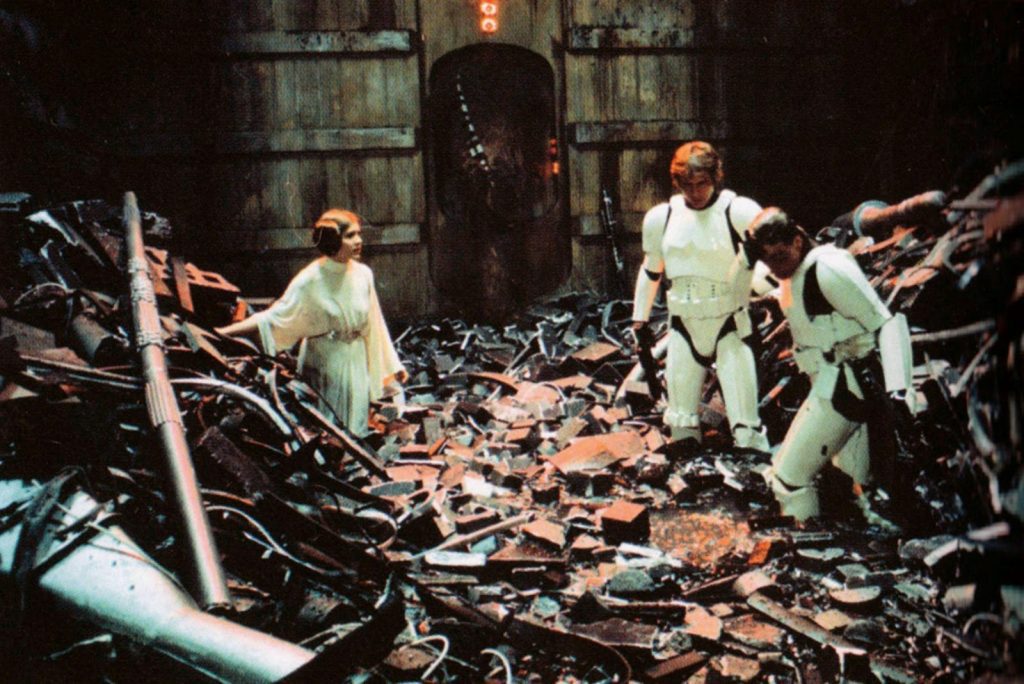
As 2026 unfolds, the evolution of film waste disposal reflects a broader transformation within the entertainment industry. Productions are becoming more mindful, more innovative, and more proactive about reducing their environmental impact. With circular design, smart waste-tracking technology, eco-friendly materials, and stronger partnerships with specialized disposal companies, the future of film production is cleaner and more responsible than ever before.
Sustainability is no longer an optional add-on—it is becoming a defining standard for successful, modern filmmaking. Whether you’re an independent filmmaker or part of a major studio, embracing these evolving waste disposal practices is essential for staying competitive, compliant, and aligned with the industry’s push toward a greener future.