
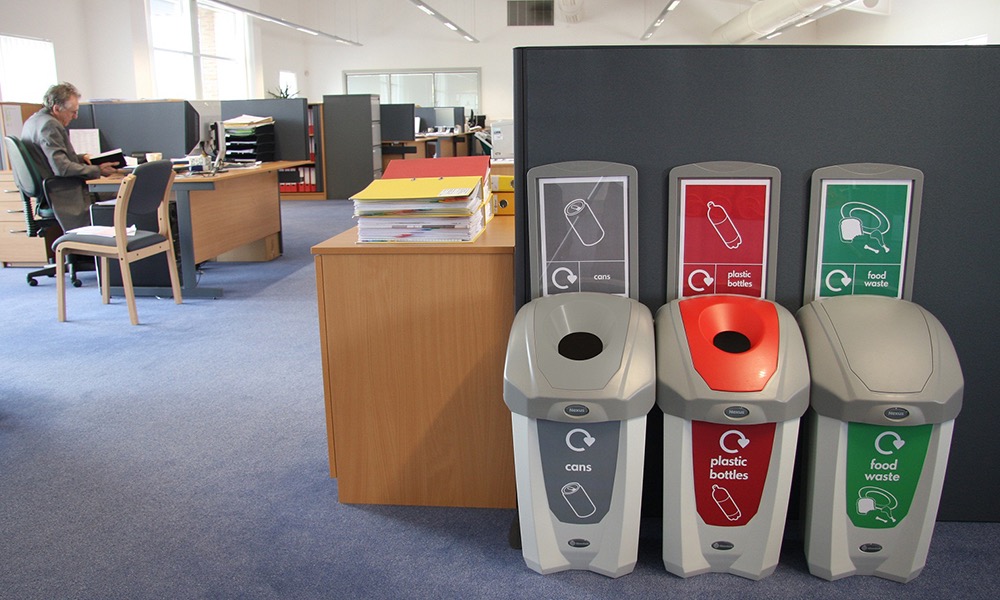
Maintaining a clean and environmentally responsible office isn’t just about appearances — it’s about efficiency, employee health, and sustainability. Proper office waste disposal ensures that your workplace runs smoothly while reducing environmental impact. From paper and plastic to electronic waste, offices produce a significant amount of refuse daily. If left unmanaged, this waste can clutter workspaces, increase costs, and harm the environment.
In this blog, we’ll explore best practices for office waste disposal, focusing on strategies that promote a cleaner, greener, and more productive workplace.
1. Conduct a Waste Audit
Before implementing an office waste disposal plan, it’s important to understand what types of waste your office generates. Conducting a waste audit helps identify:
- The volume of waste produced daily or weekly
- The most common types of waste (paper, plastics, packaging, electronics, food waste)
- Opportunities for recycling, composting, or reuse
This baseline information allows you to target your disposal strategies more effectively and reduce unnecessary waste production.
2. Promote Recycling Programs
Paper, cardboard, plastics, and metals are recyclable materials found in almost every office. Implementing a structured recycling program is a fundamental aspect of office waste disposal.
Best practices include:
- Clearly labeled recycling bins in accessible locations
- Separate bins for paper, plastics, and metals
- Educating employees on what can and cannot be recycled
- Partnering with certified recycling companies to ensure proper disposal
By making recycling easy and visible, offices can significantly reduce the amount of waste sent to landfills.
3. Manage Electronic Waste Responsibly
Offices generate a large amount of electronic waste, including old computers, printers, phones, and batteries. Improper disposal of electronics can release harmful chemicals into the environment.
For responsible office waste disposal of electronics:
- Schedule regular e-waste pickups with certified disposal companies
- Donate functioning electronics to schools or nonprofit organizations
- Use manufacturers’ recycling programs for devices
Safe e-waste disposal prevents environmental contamination and ensures compliance with local regulations.
4. Reduce Paper Waste
Paper is one of the largest contributors to office waste. While digital solutions have reduced reliance on paper, it’s still a common waste stream. Reducing paper usage is an essential part of office waste disposal.
Strategies include:
- Encouraging double-sided printing
- Implementing digital document management systems
- Using reusable notepads and whiteboards
- Recycling all shredded paper instead of disposing of it in trash
These small adjustments not only reduce waste but also lower printing costs.
5. Implement Composting for Organic Waste
Breakrooms often produce food scraps, coffee grounds, and other organic waste. Composting is an effective way to manage these materials while contributing to environmental sustainability.
Steps for office composting:
- Set up clearly labeled compost bins in kitchens and break areas
- Train staff on what items are compostable
- Partner with a local composting facility or municipal program
- Encourage employees to bring reusable containers and utensils
Composting reduces landfill contribution and promotes a greener workplace culture.
6. Establish Hazardous Waste Disposal Procedures
Some office materials require special disposal due to their hazardous nature. This includes:
- Fluorescent bulbs
- Batteries
- Toner and ink cartridges
- Cleaning chemicals
Proper office waste disposal policies should include:
- Segregating hazardous waste from general trash
- Using certified disposal companies for hazardous materials
- Educating employees about handling and reporting hazards
This reduces health risks and ensures legal compliance.
7. Train Employees on Waste Management
Even the best waste disposal systems fail if employees aren’t aware of their responsibilities. Training is essential for effective office waste disposal.
Tips for employee engagement:
- Conduct workshops on recycling, composting, and e-waste
- Post visual guides near waste and recycling bins
- Share monthly updates on waste reduction achievements
- Encourage staff participation through challenges or incentives
A culture of awareness ensures that everyone contributes to a cleaner and greener office.
8. Use Eco-Friendly Office Supplies
Choosing sustainable office supplies reduces overall waste. Opt for items that are:
- Recyclable or made from recycled materials
- Refillable or reusable (pens, markers, binders)
- Biodegradable or compostable when possible
Sustainable purchasing complements your office waste disposal strategy by preventing unnecessary waste from entering the system in the first place.
9. Schedule Regular Waste Pickup and Maintenance
An organized waste management schedule prevents overflow and maintains a tidy workplace. Effective practices include:
- Daily removal of trash and recycling
- Regular e-waste pickups
- Scheduled hazardous waste disposal
- Monitoring breakrooms and shared spaces for proper waste segregation
Consistency ensures that disposal remains efficient and prevents potential hygiene issues.
10. Monitor and Evaluate Your Waste Disposal Program
Continuous improvement is key to successful office waste disposal. Regularly review your waste management strategy by:
- Measuring waste reduction over time
- Identifying challenges in recycling or composting
- Collecting employee feedback
- Updating procedures as needed
Evaluation ensures that your office continues to operate in a cleaner and greener way while keeping sustainability goals on track.
Final Thoughts
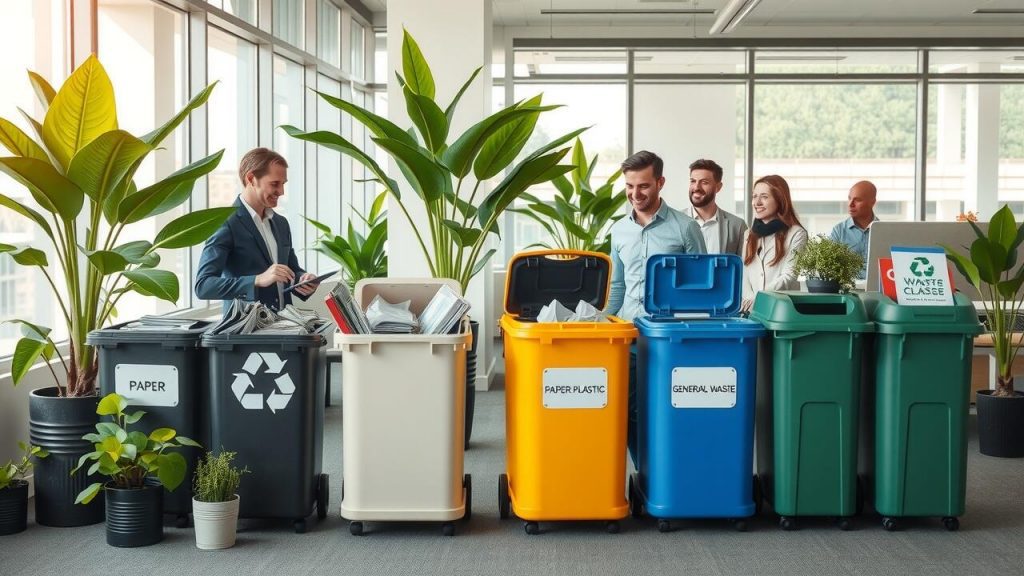
Proper office waste disposal is more than just removing trash — it’s a strategic approach to workplace safety, environmental responsibility, and operational efficiency. By conducting waste audits, promoting recycling, reducing paper and electronic waste, and implementing composting programs, offices can significantly decrease their environmental footprint.
A cleaner and greener workplace not only benefits the planet but also improves employee satisfaction, enhances company image, and can even reduce operating costs. Integrating these best practices ensures that your office stays organized, safe, and environmentally conscious.
If your office hasn’t yet adopted a comprehensive waste disposal plan, now is the perfect time to start. By prioritizing office waste disposal, your company demonstrates a commitment to sustainability and sets a standard for a healthier, more productive workplace.