
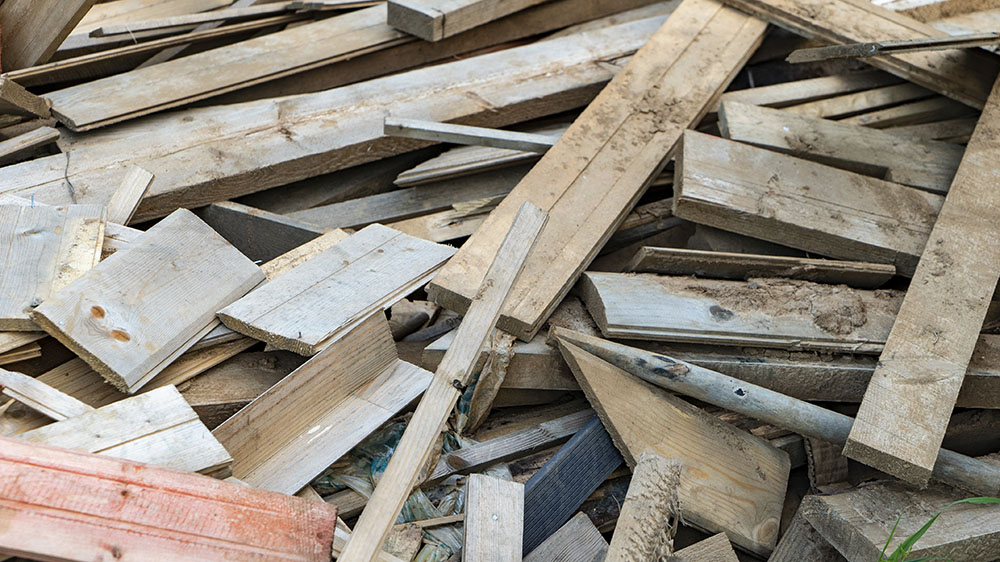
Construction projects generate significant amounts of waste, especially when working with wood framing, decking, fencing, or demolition materials. Scrap lumber, broken pallets, plywood sheets, treated wood, and wood offcuts can quickly accumulate on job sites. Without proper disposal, this debris becomes more than just an inconvenience — it turns into a safety hazard and productivity obstacle.
That’s why professional lumber materials removal plays a crucial role in maintaining safe, organized, and efficient construction sites. Whether you’re managing a residential build, commercial renovation, or large-scale demolition, having a reliable lumber removal solution ensures your project stays on schedule and compliant with local regulations.
Below, we explore why lumber materials removal is essential and how it benefits contractors, developers, and property owners.
Why Lumber Waste Accumulates Quickly
Wood is one of the most widely used construction materials. From framing and subflooring to siding and trim, lumber is present at nearly every stage of a building project. However, cutting, fitting, and demolition processes naturally create leftover scraps.
Common sources of lumber waste include:
- Framing offcuts
- Broken or warped boards
- Damaged pallets
- Demolition debris
- Crates and packaging materials
- Treated wood scraps
Even small projects can produce substantial wood waste within days. Without scheduled lumber materials removal, piles of debris can quickly take over valuable workspace.
The Safety Risks of Lumber Debris
Loose wood scraps and broken boards may not seem dangerous at first glance, but they pose serious risks on active job sites.
1. Trip and Fall Hazards
Scattered lumber can cause workers to trip, especially when carrying heavy tools or materials.
2. Nail and Splinter Injuries
Used lumber often contains exposed nails, screws, or sharp splinters. These increase the risk of puncture wounds and infections.
3. Fire Hazards
Dry wood scraps are highly combustible. Accumulated debris increases fire risks, especially near electrical tools or welding operations.
4. Equipment Damage
Heavy machinery and vehicles can be damaged when driving over wood debris.
Professional lumber materials removal ensures these hazards are minimized, creating a safer environment for everyone on-site.
Improving Job Site Efficiency
Cluttered construction sites slow down productivity. Workers must navigate around debris, which wastes time and energy. Clear pathways and organized spaces allow teams to move materials and equipment efficiently.
Scheduled lumber materials removal helps:
- Maintain clear work zones
- Improve workflow
- Increase overall productivity
- Prevent project delays
When debris is removed consistently, crews can focus entirely on building — not cleanup.
Compliance with Local Waste Regulations
Construction waste disposal is regulated in many municipalities. Improper dumping or mixing treated wood with regular waste can result in fines and penalties.
Professional lumber removal services understand:
- Local disposal regulations
- Environmental guidelines
- Recycling requirements
- Hazardous material handling rules
By using a dedicated lumber materials removal service, contractors reduce the risk of non-compliance and legal issues.
Environmentally Responsible Wood Disposal
Sustainability is becoming increasingly important in the construction industry. Many types of wood waste can be recycled or repurposed instead of sent to landfills.
Recyclable lumber materials may be processed into:
- Mulch
- Biomass fuel
- Composite wood products
- Landscaping materials
A professional lumber materials removal provider often sorts and directs recyclable materials to appropriate facilities, helping reduce landfill waste and support environmental responsibility.
Suitable for All Types of Projects
Lumber materials removal services are valuable across various construction and renovation projects.
Residential Construction
New home builds, additions, and remodeling projects generate framing scraps and demolition debris that require consistent cleanup.
Commercial Construction
Office builds, retail spaces, and warehouse projects often produce high volumes of pallet waste and wood packaging materials.
Demolition Projects
Tearing down older structures can result in massive amounts of wood debris that must be removed efficiently and safely.
No matter the scale of the project, professional lumber materials removal ensures debris does not interfere with progress.
Flexible Removal Options
Every construction site has different needs. Some projects require daily debris removal, while others benefit from larger bins collected weekly.
Common service options include:
- Roll-off dumpster rentals
- Scheduled pickup services
- On-demand debris hauling
- Large-scale demolition cleanup
Working with a reliable provider allows contractors to customize their lumber materials removal schedule based on project size and timeline.
Cost-Effective Waste Management
Some contractors attempt to handle lumber waste disposal themselves. However, self-hauling involves:
- Labor costs
- Fuel expenses
- Disposal fees
- Vehicle wear and tear
- Time lost from core project tasks
Outsourcing lumber materials removal often proves more cost-effective in the long run. It allows workers to remain focused on skilled tasks rather than waste transportation.
Additionally, professional services can help you choose the right dumpster size, preventing overpaying for unused space or requiring multiple pickups.
Enhancing Professional Image
A clean job site reflects professionalism. Clients, inspectors, and project stakeholders notice site organization.
Neatly managed debris demonstrates:
- Attention to safety
- Efficient project management
- Environmental responsibility
- Commitment to quality standards
Investing in regular lumber materials removal improves your company’s reputation and can positively influence future business opportunities.
What to Consider When Choosing a Lumber Removal Service
When selecting a lumber materials removal provider, consider the following factors:
1. Experience in Construction Waste
Choose a company familiar with job site requirements and heavy debris.
2. Proper Equipment
Ensure they offer suitable dumpsters or hauling trucks for wood waste.
3. Flexible Scheduling
Projects change quickly. Look for providers who offer adaptable pickup times.
4. Transparent Pricing
Clear, upfront pricing prevents unexpected costs.
5. Environmental Practices
Ask about recycling and responsible disposal methods.
A dependable lumber materials removal partner becomes a valuable extension of your project management team.
When to Schedule Lumber Materials Removal
Strategic timing helps maintain efficiency throughout your build.
Ideal times to schedule removal include:
- After framing stages
- During major demolition phases
- Before inspections
- At key project milestones
- At project completion
Planning regular lumber materials removal prevents large buildup and keeps operations running smoothly.
Final Thoughts
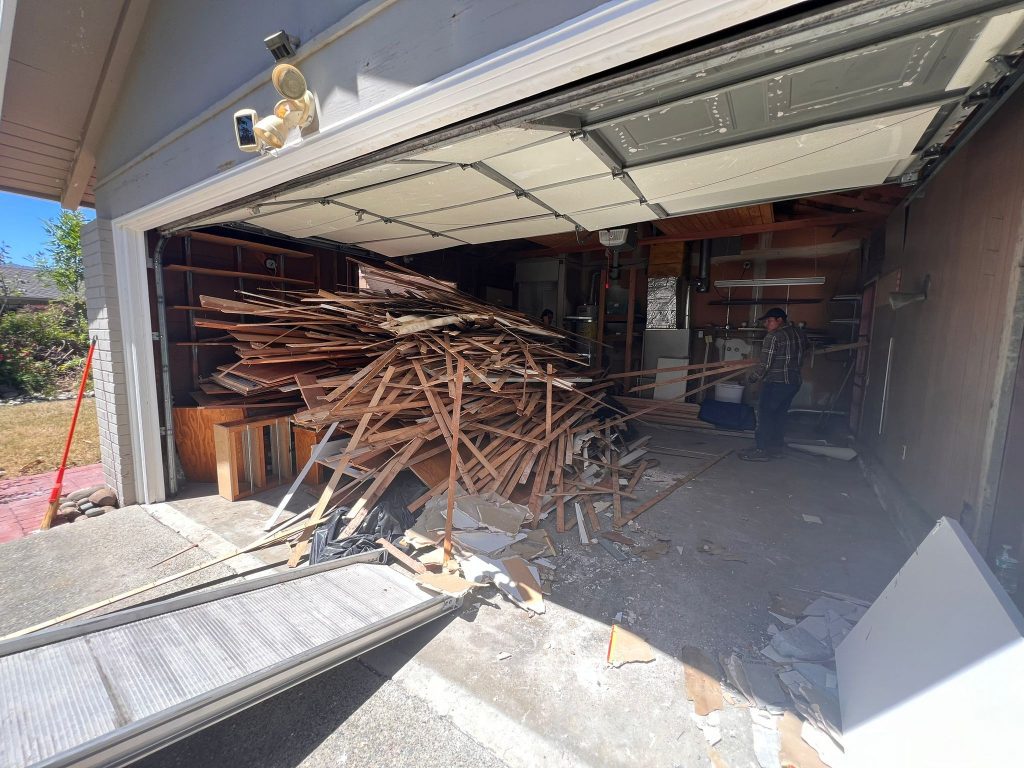
Wood waste is an unavoidable part of construction, but unmanaged debris should never slow down your project or compromise safety. From preventing injuries to improving efficiency and ensuring regulatory compliance, professional lumber materials removal is essential for modern construction site management.
Whether you’re overseeing a residential build, commercial development, or demolition project, partnering with a reliable removal service helps maintain a clean, safe, and productive work environment.
By prioritizing organized waste disposal, you protect your workers, improve workflow, and demonstrate professionalism — all while supporting environmentally responsible construction practices.
If you’re planning your next project, consider scheduling dependable lumber materials removal services to keep your job site operating at its best.