
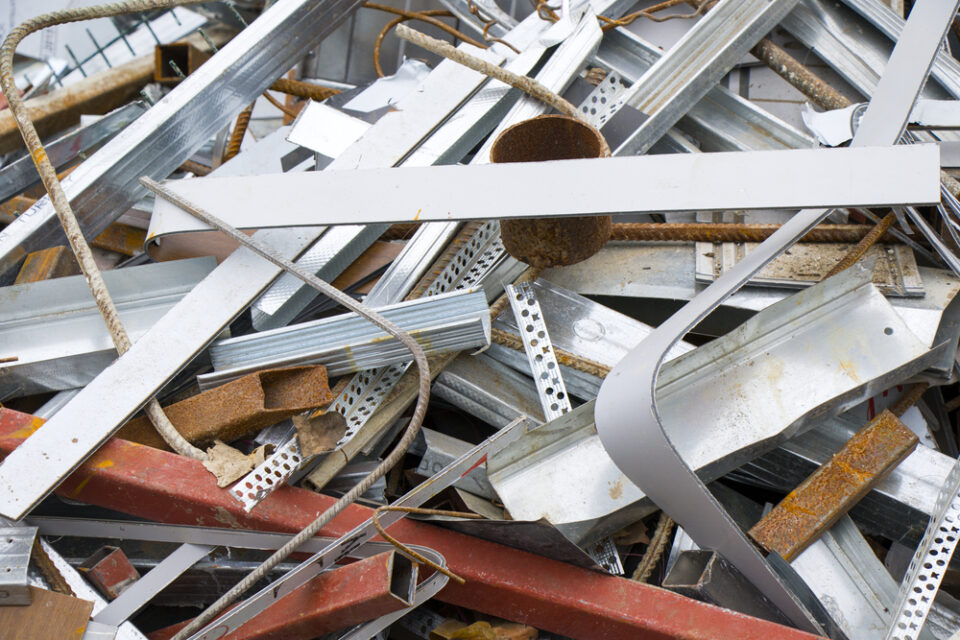
Managing waste is an essential part of maintaining a clean, safe, and organized property. Whether you own a home, manage a commercial facility, or oversee a construction site, metal waste can accumulate quickly. Old appliances, construction materials, damaged equipment, and unused metal parts often pile up and create clutter. Proper metal waste disposal ensures that these materials are handled safely, recycled responsibly, and removed efficiently from your property.
In this guide, we will explore the importance of metal waste disposal, the types of metal waste commonly found on properties, and the best practices for safe and efficient cleanup.
Understanding Metal Waste Disposal
Metal waste disposal refers to the process of collecting, handling, transporting, and recycling unwanted metal materials. Unlike regular trash, metal waste should be separated and sent to recycling facilities where it can be processed and reused in manufacturing.
Many metals can be recycled multiple times without losing their quality. This makes metal waste disposal an environmentally responsible option that helps conserve natural resources and reduce landfill waste.
Common examples of metal waste include:
- Old appliances such as refrigerators, ovens, and washing machines
- Construction materials like steel beams, metal pipes, and wiring
- Automotive parts including rims, engines, and metal panels
- Industrial equipment and machinery
- Household items such as metal furniture and tools
Proper disposal ensures these materials are removed safely and recycled whenever possible.
Why Metal Waste Disposal Is Important
1. Improves Property Safety
Metal waste can pose several hazards if left unattended. Sharp edges, heavy materials, and rusted components can lead to injuries. Proper metal waste disposal eliminates these risks and keeps your property safe for residents, employees, and visitors.
2. Protects the Environment
Improper disposal of metal waste can contribute to environmental pollution. Recycling metals through proper metal waste disposal helps reduce the need for mining new raw materials and decreases energy consumption.
3. Reduces Clutter
Unused metal items can take up valuable space in garages, warehouses, and construction sites. Removing metal waste frees up room for storage, equipment, and daily operations.
4. Supports Recycling Efforts
Metals like aluminum, copper, and steel are highly recyclable. Proper metal waste disposal ensures these materials are processed and reused in new products rather than ending up in landfills.
Common Types of Metal Waste
Understanding different types of metal waste can help you manage metal waste disposal more effectively.
Ferrous Metals
Ferrous metals contain iron and are usually magnetic. They are commonly used in construction and manufacturing.
Examples include:
- Steel
- Cast iron
- Wrought iron
- Structural metal components
Ferrous metals are widely recycled and used in new construction materials.
Non-Ferrous Metals
Non-ferrous metals do not contain iron and are generally more valuable for recycling. These metals are often used in electrical systems, plumbing, and manufacturing.
Examples include:
- Aluminum
- Copper
- Brass
- Lead
- Stainless steel
Non-ferrous metals are highly recyclable and play an important role in sustainable manufacturing.
Metal Waste Disposal for Residential Properties
Homeowners often accumulate metal waste without realizing it. Renovation projects, broken appliances, and old outdoor equipment can create piles of unwanted metal.
Common household items that require metal waste disposal include:
- Metal bed frames
- Old bicycles
- Barbecue grills
- Washing machines and dryers
- Metal shelves and cabinets
- Aluminum siding
Professional metal waste disposal services can help homeowners remove these items quickly and safely without the hassle of transporting them to recycling facilities.
Metal Waste Disposal for Commercial and Industrial Properties
Businesses generate larger quantities of metal waste through daily operations. Construction companies, factories, warehouses, and retail properties frequently deal with metal debris.
Examples of business-related metal waste include:
- Construction scrap such as steel framing and pipes
- Electrical materials like copper wiring
- Industrial equipment and machinery parts
- Metal packaging materials
- Manufacturing offcuts and excess materials
Regular metal waste disposal helps businesses maintain organized workspaces, improve safety, and comply with waste management regulations.
The Metal Waste Disposal Process
Professional metal waste disposal services typically follow a structured process to ensure safe and efficient cleanup.
1. Assessment and Planning
The first step involves evaluating the type and amount of metal waste that needs to be removed. This helps determine the appropriate equipment and transportation methods.
2. Collection
Trained workers collect metal waste from the property using specialized tools and equipment to ensure safe handling.
3. Transportation
The collected metal is transported to recycling centers or processing facilities.
4. Sorting and Recycling
At recycling facilities, metals are sorted by type, cleaned, and processed. They are then melted and repurposed into raw materials used in manufacturing new products.
This process ensures that most metal waste is reused rather than discarded.
Tips for Efficient Metal Waste Disposal
If you are planning a cleanup project, these tips can make metal waste disposal more efficient:
Separate Metal from Other Waste
Keeping metal items separate from other types of waste makes recycling easier and more efficient.
Identify Recyclable Materials
Metals such as copper, aluminum, and steel are highly recyclable. Identifying these materials helps maximize recycling efforts.
Schedule Regular Cleanups
For businesses and construction sites, regular metal waste disposal prevents waste from accumulating and creating hazards.
Work with Professional Disposal Services
Professional services have the experience, equipment, and transportation needed to handle large or heavy metal items safely.
Environmental Benefits of Metal Waste Disposal
Proper metal waste disposal offers several environmental benefits that contribute to sustainability.
Conserves Natural Resources
Recycling metals reduces the need to extract raw materials through mining, which helps preserve natural resources.
Saves Energy
Producing new metal from recycled materials requires significantly less energy compared to mining and processing raw metal.
Reduces Landfill Waste
Metal items can take decades or even centuries to break down in landfills. Recycling through proper metal waste disposal reduces landfill waste and environmental impact.
Lowers Carbon Emissions
Metal recycling reduces greenhouse gas emissions associated with mining and manufacturing processes.
Choosing the Right Metal Waste Disposal Service
Selecting a reliable metal waste disposal company ensures that your metal waste is handled responsibly.
When choosing a service provider, consider the following:
- Experience in metal waste management
- Proper licensing and insurance
- Environmentally responsible recycling practices
- Efficient pickup and removal services
- Transparent pricing and customer support
A professional company will ensure safe handling, proper recycling, and efficient removal of all metal waste.
Conclusion
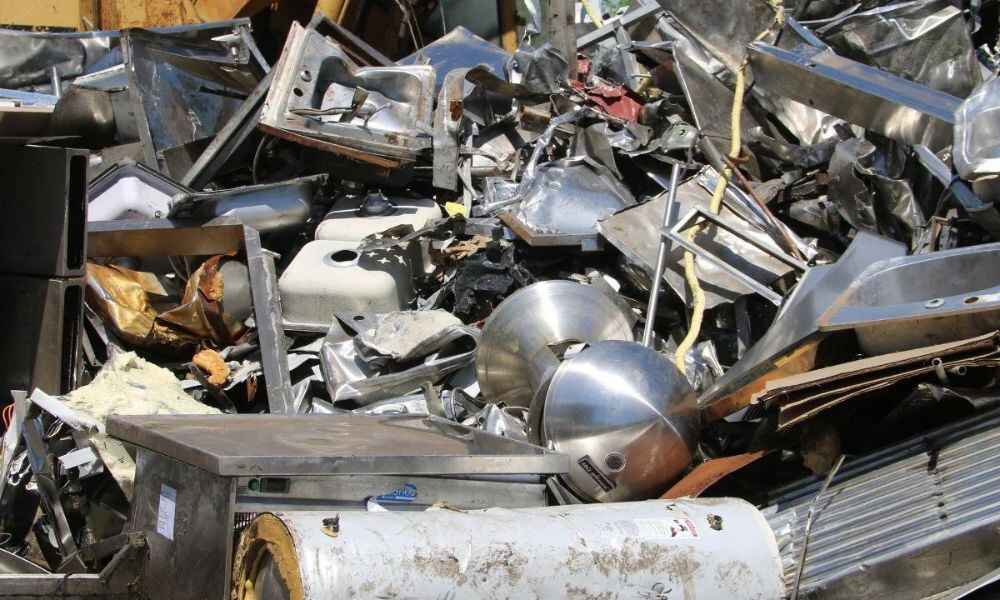
Whether you are cleaning out a residential property, managing a commercial facility, or overseeing a construction project, metal waste disposal plays a vital role in maintaining a safe and organized environment. Removing unwanted metal items reduces hazards, frees up valuable space, and supports recycling efforts that benefit the environment.
By choosing responsible metal waste disposal practices and working with professional services, property owners can ensure that metal waste is handled safely and sustainably. With the right approach, managing metal waste becomes a simple and efficient process that contributes to cleaner properties and a healthier planet.