
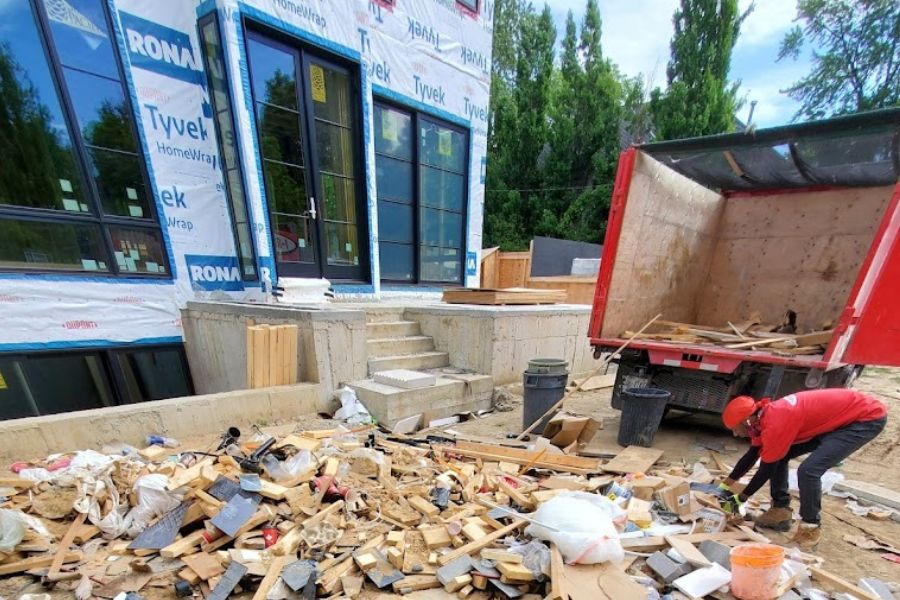
Construction projects—whether large commercial builds or small home renovations—inevitably generate a significant amount of waste. From broken concrete and wood scraps to drywall, metal, and packaging materials, managing this debris efficiently is essential for safety, productivity, and environmental responsibility. That’s where construction debris removal comes in.
In this guide, we’ll walk you through everything you need to know about construction debris removal, including why it matters, what materials are involved, and how professional services can make your project easier and more efficient.
What Is Construction Debris Removal?
Construction debris removal refers to the process of collecting, hauling, and disposing of waste materials generated during construction, renovation, or demolition projects. This can include a wide range of materials such as:
- Concrete and asphalt
- Wood and lumber
- Drywall and plaster
- Metal scraps
- Roofing materials
- Bricks and tiles
- Packaging waste
Proper construction debris removal ensures that your job site remains clean, organized, and compliant with local regulations.
Why Construction Debris Removal Is Important
1. Improves Job Site Safety
A cluttered construction site can quickly become hazardous. Loose debris can cause trips, falls, or injuries from sharp materials. Regular removal of waste helps maintain a safer environment for workers and visitors.
2. Enhances Efficiency
When debris piles up, it slows down productivity. Workers may have limited space to move or complete tasks. Efficient construction debris removal keeps your site organized and allows work to progress smoothly.
3. Ensures Compliance with Regulations
Local municipalities often have strict rules about waste disposal. Improper handling of construction waste can result in fines or project delays. Professional services ensure compliance with all regulations.
4. Supports Environmental Responsibility
Many construction materials can be recycled or repurposed. Responsible construction debris removal helps reduce landfill waste and supports eco-friendly practices.
Common Types of Construction Debris
Understanding the types of waste generated during construction can help you plan for proper disposal.
Concrete and Masonry
Heavy materials like concrete, bricks, and stones require specialized handling and disposal methods.
Wood Waste
This includes framing lumber, pallets, and scrap wood. Some wood can be recycled or reused.
Drywall and Plaster
These materials are common in renovations and need proper disposal to avoid environmental issues.
Metal
Scrap metal is often recyclable, making it one of the more environmentally friendly types of construction waste.
Roofing Materials
Shingles, tiles, and underlayment materials are frequently removed during roofing projects.
Methods of Construction Debris Removal
There are several ways to handle construction waste, depending on the size and type of your project.
1. Dumpster Rental
One of the most popular options is renting a dumpster. This allows you to dispose of debris as it accumulates. Dumpsters come in various sizes, making them suitable for both small and large projects.
Benefits:
- Convenient on-site waste disposal
- Flexible sizing options
- Cost-effective for ongoing projects
2. Full-Service Junk Removal
With this option, a professional team handles everything—from loading debris to hauling it away. This is ideal for projects with large amounts of waste or tight deadlines.
Benefits:
- Saves time and labor
- No need for heavy lifting
- Quick and efficient cleanup
3. Recycling and Donation
Some materials can be recycled or donated, such as metal, wood, and fixtures. This reduces environmental impact and can even lower disposal costs.
Choosing the Right Construction Debris Removal Service
Selecting the right service provider is crucial for a smooth experience. Here are some factors to consider:
Experience and Expertise
Look for a company with experience in construction debris removal. They should understand the specific needs of construction sites and know how to handle different materials safely.
Range of Services
Choose a provider that offers flexible options such as dumpster rentals, same-day pickups, and full-service removal.
Proper Licensing and Insurance
Ensure the company is licensed and insured to protect your project and workers.
Eco-Friendly Practices
A good provider will prioritize recycling and responsible disposal methods.
Transparent Pricing
Look for clear, upfront pricing with no hidden fees.
Tips for Efficient Construction Debris Removal
To make the most of your waste management plan, follow these practical tips:
Plan Ahead
Estimate the type and volume of debris your project will generate. This helps you choose the right disposal method.
Separate Materials
Sorting materials like metal, wood, and concrete can make recycling easier and more cost-effective.
Schedule Regular Pickups
Don’t wait until debris piles up. Regular removal keeps your site clean and safe.
Use the Right Equipment
Ensure you have the appropriate containers, tools, and safety gear for handling waste.
Work with Professionals
Hiring experts in construction debris removal can save time, reduce stress, and ensure proper disposal.
Environmental Benefits of Proper Debris Removal
Sustainable construction practices are becoming increasingly important. Proper construction debris removal plays a key role in reducing environmental impact.
Reduces Landfill Waste
Recycling materials keeps them out of landfills and conserves natural resources.
Lowers Carbon Footprint
Efficient waste management reduces the environmental impact of transportation and disposal.
Promotes Green Building Practices
Many projects now aim for eco-friendly certifications, which require responsible waste management.
When to Hire a Professional Service
While some small projects may handle waste independently, there are situations where professional help is essential:
- Large-scale construction or demolition projects
- Tight deadlines requiring quick cleanup
- Heavy or hazardous materials
- Limited on-site space for waste storage
Professional construction debris removal services ensure that your project stays on track and meets all safety and environmental standards.
Final Thoughts
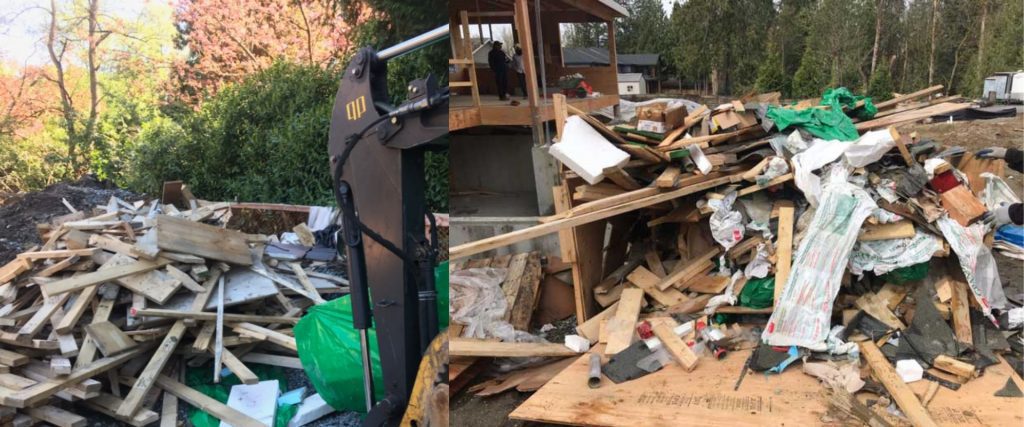
Construction projects don’t just build structures—they also create a significant amount of waste. Managing that waste effectively is critical for safety, efficiency, and sustainability. By understanding the importance of construction debris removal and choosing the right methods and services, you can keep your project running smoothly from start to finish.
Whether you’re tackling a home renovation or managing a large construction site, investing in professional debris removal is a smart decision that saves time, reduces risk, and supports environmentally responsible practices.