
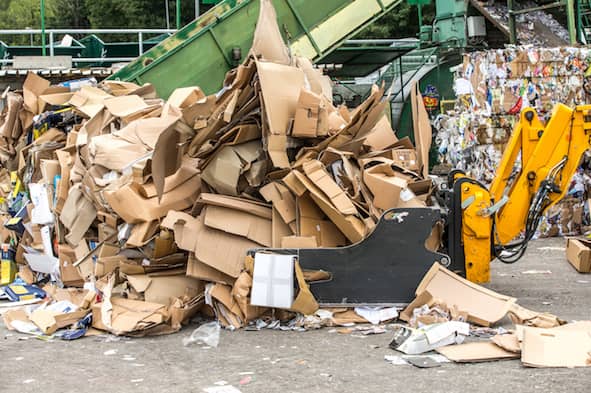
Managing waste is a critical responsibility for businesses of all sizes. Whether you run a retail store, office, restaurant, or industrial facility, proper waste handling is essential for maintaining cleanliness, complying with regulations, and protecting the environment. Effective commercial waste disposal solutions not only keep your business running smoothly but also contribute to a more sustainable future.
In this guide, we’ll explore the importance of commercial waste disposal, the different types of waste businesses generate, and the best solutions available to meet your needs.
What Is Commercial Waste Disposal?
Commercial waste disposal refers to the collection, transportation, and proper disposal of waste generated by businesses and commercial properties. Unlike residential waste, commercial waste often includes larger volumes and a wider variety of materials, requiring specialized handling and disposal methods.
Businesses must follow local regulations and environmental guidelines when disposing of waste, making professional services an essential part of operations.
Why Commercial Waste Disposal Matters
1. Maintains a Clean and Safe Workplace
A clean business environment is essential for employees and customers alike. Accumulated waste can lead to unpleasant odors, pest infestations, and safety hazards. Reliable commercial waste disposal ensures your premises remain hygienic and safe.
2. Ensures Regulatory Compliance
Local authorities enforce strict waste disposal regulations. Improper disposal can result in fines, penalties, or even legal action. Partnering with a professional service helps ensure your business complies with all applicable laws.
3. Improves Operational Efficiency
Efficient waste management allows your team to focus on core business activities instead of dealing with waste-related issues. Scheduled pickups and organized disposal systems streamline operations.
4. Supports Environmental Responsibility
Sustainability is increasingly important for modern businesses. Proper commercial waste disposal includes recycling and responsible disposal practices that reduce environmental impact.
Types of Commercial Waste
Understanding the types of waste your business generates is the first step toward effective disposal.
General Waste
This includes everyday items such as paper, packaging, and non-recyclable materials.
Recyclable Materials
Paper, cardboard, plastics, and metals that can be processed and reused.
Organic Waste
Food waste and biodegradable materials commonly produced by restaurants and food-related businesses.
Hazardous Waste
Chemicals, batteries, and certain industrial materials require specialized handling and disposal.
Construction and Renovation Waste
Debris generated during office upgrades or commercial construction projects.
Top Commercial Waste Disposal Solutions
Choosing the right commercial waste disposal solution depends on your business type, waste volume, and operational needs.
1. Scheduled Waste Collection Services
Regular pickup services are one of the most common solutions for businesses. Waste is collected on a set schedule—daily, weekly, or bi-weekly—depending on your requirements.
Benefits:
- Consistent waste management
- Prevents overflow and buildup
- Convenient and reliable
2. Dumpster Rental Services
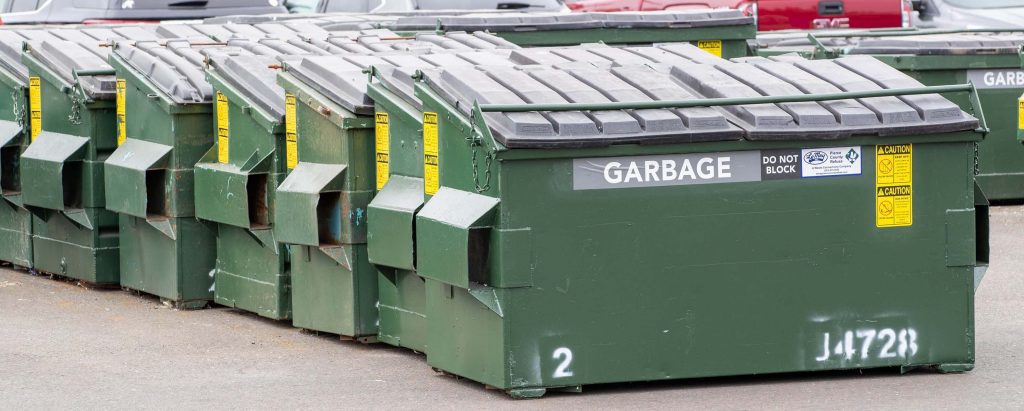
Dumpster rentals are ideal for businesses generating large amounts of waste or undergoing renovations. Dumpsters come in various sizes to accommodate different needs.
Benefits:
- Flexible capacity options
- On-site waste storage
- Suitable for short-term and long-term use
3. Recycling Programs
Implementing a recycling program helps businesses reduce waste and lower disposal costs. Many commercial waste disposal providers offer recycling solutions tailored to your industry.
Benefits:
- Reduces environmental impact
- Supports sustainability goals
- May lower overall waste costs
4. Compactor Services
Waste compactors compress large volumes of waste into smaller, manageable sizes. This is especially useful for businesses with high waste output.
Benefits:
- Saves space
- Reduces pickup frequency
- Improves site cleanliness
5. Specialized Waste Disposal
Some industries require specialized services for handling hazardous or sensitive materials. Professional providers ensure safe and compliant disposal.
Benefits:
- Meets regulatory standards
- Protects employees and the environment
- Reduces liability risks
How to Choose the Right Commercial Waste Disposal Provider
Selecting the right partner is key to efficient waste management. Here are some factors to consider:
Industry Experience
Choose a provider with experience in commercial waste disposal for your specific industry.
Range of Services
Look for a company that offers multiple solutions, including recycling, dumpster rental, and specialized disposal.
Reliability and Scheduling
Timely pickups and consistent service are essential to avoid disruptions.
Environmental Commitment
A provider that prioritizes eco-friendly practices can help your business meet sustainability goals.
Transparent Pricing
Clear and upfront pricing ensures you know exactly what to expect without hidden costs.
Best Practices for Effective Waste Management
To maximize the benefits of your commercial waste disposal plan, consider these best practices:
Conduct a Waste Audit
Analyze your waste streams to identify areas for improvement and cost savings.
Train Employees
Educate staff on proper waste sorting and disposal procedures.
Reduce Waste at the Source
Minimize waste by optimizing inventory, reducing packaging, and going digital where possible.
Implement Recycling Stations
Make it easy for employees to separate recyclable materials.
Schedule Regular Reviews
Assess your waste management strategy periodically to ensure it remains effective.
Environmental Benefits of Commercial Waste Disposal
Proper waste management offers significant environmental advantages:
Reduces Landfill Usage
Recycling and waste reduction efforts decrease the amount of waste sent to landfills.
Conserves Natural Resources
Reusing materials helps preserve raw resources and reduces the need for new production.
Lowers Carbon Emissions
Efficient waste handling and recycling contribute to a smaller carbon footprint.
Enhances Corporate Responsibility
Sustainable practices improve your company’s reputation and appeal to environmentally conscious customers.
When to Upgrade Your Waste Disposal System
Your business may need to improve its commercial waste disposal system if you notice:
- Overflowing bins or frequent waste buildup
- Increased waste volume due to business growth
- Inefficient or inconsistent pickups
- Lack of recycling or sustainability initiatives
Upgrading your waste management strategy can lead to better efficiency, cost savings, and improved operations.
Final Thoughts
Effective commercial waste disposal is more than just removing trash—it’s a vital part of running a successful and responsible business. From maintaining a clean and safe workplace to supporting sustainability and compliance, the right waste disposal solutions can make a significant difference.
By understanding your waste needs, choosing the right services, and implementing best practices, your business can achieve efficient and environmentally friendly waste management. Whether you need regular pickups, dumpster rentals, or specialized services, investing in professional solutions ensures your operations stay smooth and stress-free.