
Industrial demolitions is a complex, high-stakes process that requires careful planning, professional expertise, and strict adherence to safety and environmental standards. Whether you’re preparing to remove outdated structures, clear land for new construction, or dismantle a facility due to safety concerns, understanding how industrial demolitions works can help you make better decisions and avoid costly mistakes.
For businesses, the goal isn’t just to tear down a structure—it’s to do it efficiently, safely, and with minimal disruption. This complete guide breaks down what you need to know before starting an industrial demolitions project, including planning steps, regulatory considerations, disposal strategies, and how to choose the right demolition and waste management partners.
Understanding Industrial Demolitions
Industrial demolitions involves the safe deconstruction of large structures such as factories, warehouses, processing plants, manufacturing facilities, and industrial equipment. These projects are significantly more complicated than residential or commercial demolition due to:
- The size and scale of buildings
- Potential presence of hazardous materials
- Heavy machinery requirements
- Complex utility disconnections
- Waste management and recycling needs
Because of these factors, hiring experienced demolition and disposal specialists is crucial for ensuring safety and compliance.
Step 1: Conduct a Thorough Site Assessment
Before any physical work begins, a comprehensive site assessment is performed. This step determines the safest and most efficient way to carry out the industrial demolitions.
Key components of the assessment include:
• Structural Analysis
Engineers evaluate the building’s condition, materials, and stability to determine appropriate demolition methods.
• Hazard Identification
Industrial facilities often contain hazardous materials such as asbestos, lead, chemicals, fuel, or contaminated soil. These must be identified and properly removed.
• Utility Mapping
Electrical, gas, water, and sewage lines need to be located and safely shut off.
A detailed site assessment allows your demolition contractor to anticipate challenges, avoid costly surprises, and choose the safest and most effective approach.
Step 2: Understand Regulatory and Environmental Requirements
Industrial demolitions is heavily regulated. Businesses must comply with local, provincial or state, and federal laws governing:
- Hazardous material management
- Waste disposal
- Noise and dust control
- Environmental protection
- Worker safety
Failure to meet these requirements can lead to project delays, fines, or legal consequences.
Environmental Considerations
Demolition can produce significant environmental impact if not managed properly. Responsible contractors focus on:
- Reducing dust and airborne contaminants
- Preventing soil or water contamination
- Recycling and reusing materials
- Properly disposing of industrial waste
This is where partnering with an experienced disposal company becomes essential—efficient waste handling directly contributes to regulatory compliance.
Step 3: Choose the Right Demolition Method
The method used for industrial demolitions depends on the building’s size, structure, materials, and location. Common methods include:
1. Mechanical Demolition
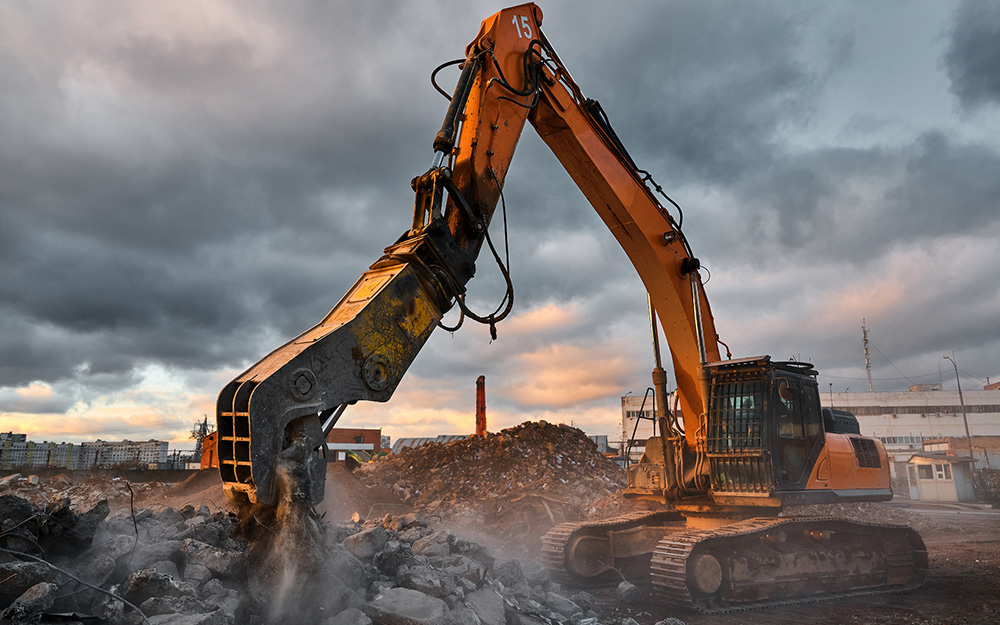
Uses heavy machinery such as excavators, bulldozers, and hydraulic shears. This method is ideal for large industrial structures and is the most common approach.
2. Selective Demolition
Also known as “deconstruction,” this method involves carefully removing specific components for salvage, recycling, or reuse. It’s the preferred option when environmental sustainability is a priority.
3. Implosion
Reserved for very large structures made of concrete and steel. Explosives strategically weaken key points, causing the building to collapse inward. This method requires extensive planning and regulatory approval.
A qualified demolition contractor will recommend the safest and most cost-effective method based on your specific site.
Step 4: Plan for Waste Management and Debris Disposal
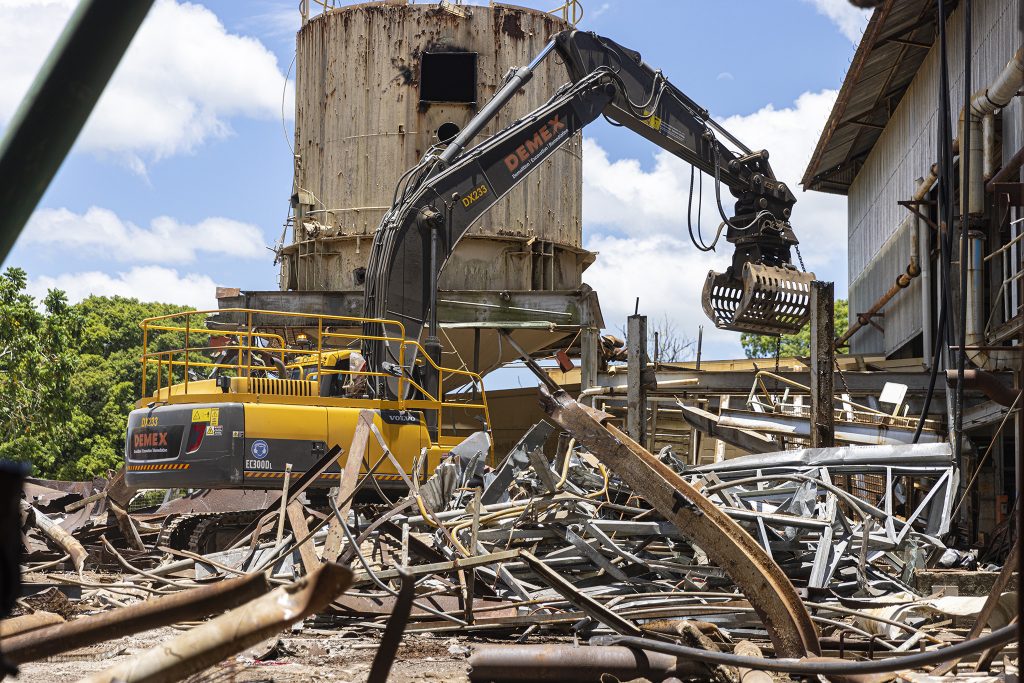
Industrial demolitions generates large volumes of waste—metal, concrete, brick, wood, machinery, and sometimes hazardous material. Improper handling can create safety risks and violate environmental regulations.
To keep your project on schedule and compliant, you need a strategic waste disposal plan that includes:
• On-Site Sorting
Separating recyclable materials like steel, copper, and concrete reduces disposal costs.
• Dumpster Rentals and Hauling Services
Companies like Elite Disposal Services provide roll-off dumpsters sized for industrial projects, ensuring efficient removal of debris.
• Hazardous Material Disposal
Dangerous waste requires special containment, transportation, and disposal according to strict regulations.
• Recycling and Sustainability Efforts
Many materials recovered from demolition—metals, aggregates, and machinery—can be repurposed, reducing environmental impact.
Partnering with a dependable disposal service ensures your site stays clean, safe, and compliant throughout the project.
Step 5: Create a Safety Plan for Workers and the Surrounding Area
Safety is the most important aspect of industrial demolitions. With heavy equipment, unstable structures, and the presence of hazardous materials, there is no room for shortcuts.
A proper safety plan includes:
- Personal protective equipment (PPE) for all workers
- Secure perimeter fencing
- Dust and noise control measures
- Equipment operation protocols
- Emergency response planning
- Proper signage and access control
Professional demolition teams prioritize safety from start to finish, minimizing risks for workers and nearby communities.
Step 6: Establish a Clear Project Timeline and Budget
Industrial demolitions requires precise coordination among engineers, demolition contractors, waste disposal providers, and regulatory agencies. A clear timeline helps ensure each phase—assessment, permitting, demolition, disposal, and site cleanup—is completed efficiently.
Businesses should also account for:
- Permit fees
- Hazardous material removal
- Equipment costs
- Waste management and hauling
- Labor and engineering services
Working with experienced providers helps prevent budget overruns and unexpected delays.
Step 7: Site Cleanup and Post-Demolition Preparation
The final stage of an industrial demolitions project is leaving the site clean, level, and ready for its next phase. This may include:
- Final debris removal
- Soil remediation
- Backfilling and grading
- Recycling documentation
- Environmental clearance reports
A clean, well-prepared site ensures a smooth transition into construction, redevelopment, or future land use.
Why Partnering With Professional Waste Disposal Services Matters
Even the best demolition plan can fall apart without proper waste handling. Industrial demolitions generates massive amounts of material, and delays in debris removal can halt your entire project.
Working with a company like Elite Disposal Services provides:
- Roll-off dumpsters sized for industrial debris
- Fast and efficient pickup and hauling
- Proper disposal of hazardous or contaminated waste
- Recycling support to reduce costs
- Reliable service that keeps your demolition team moving
A trusted disposal partner ensures your project remains safe, compliant, and on schedule.