
Reduce Household waste continues to be one of the biggest environmental challenges for communities across North America. From food scraps and packaging to old clothing and household items, the amount of garbage that ends up in landfills grows every year. The good news? Families have more power than ever to cut down on reduce household waste, lower their environmental impact, and support cleaner, greener communities. With a few simple habits, you can drastically Reduce Household Waste and make day-to-day living more sustainable.
In this guide, we’ll explore practical, manageable strategies that any household can adopt—no matter the size of your family or your lifestyle. These tips not only help the environment but can also save you time, money, and stress.
1. Start with a Waste Audit: Know What You Throw Away
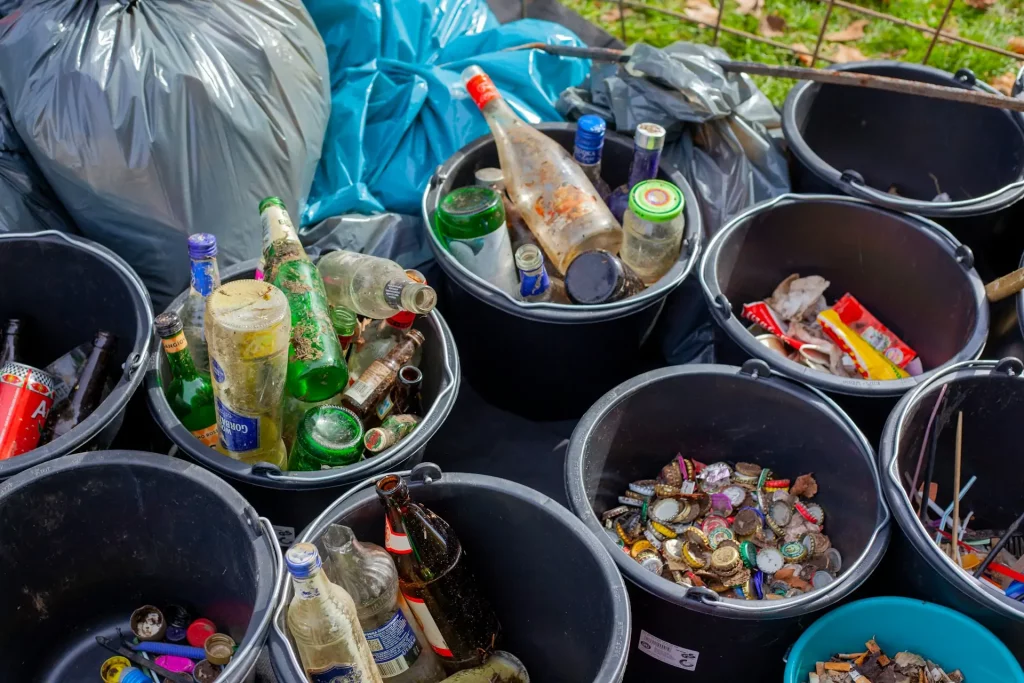
Before you can effectively Reduce Household Waste, it’s important to understand what you’re throwing out. A simple waste audit helps you identify patterns and problem areas.
How to do a quick home waste audit:
- Empty your trash and analyze what’s inside.
- Separate waste into categories (food, paper, plastic, glass, yard waste, etc.).
- Estimate which items appear most frequently.
- Consider where you can replace, reuse, or eliminate them entirely.
Many families are surprised to discover that food scraps or single-use plastics make up the majority of their reduce household waste. Once you pinpoint the biggest contributors, you can make smarter changes.
2. Reduce Food Waste with Smarter Shopping and Storage
Food reduce household waste is one of the largest sources of household garbage—and it’s also one of the most preventable.
Smart ways to cut food waste:
- Plan meals before grocery shopping to avoid overbuying.
- Shop smaller quantities more frequently if possible.
- Store food properly using airtight containers to extend freshness.
- Freeze leftovers to avoid throwing out unused portions.
- Label food with dates to track what needs to be eaten first.
By being more intentional with food purchases and storage, families can significantly Reduce Household Waste while saving money on groceries.
3. Choose Reusable Products Over Single-Use Items
Single-use items are one of the biggest contributors to unnecessary waste. Switching to reusable alternatives is one of the simplest and most effective ways to cut down on garbage.
Easy reusable swaps include:
- Reusable shopping bags
- Stainless steel water bottles
- Cloth napkins and dish towels
- Reusable straws and utensils
- Glass or silicone food storage containers
- Refillable soap and detergent dispensers
These small shifts not only help the environment but also reduce long-term household expenses.
4. Create a Recycling System That Actually Works
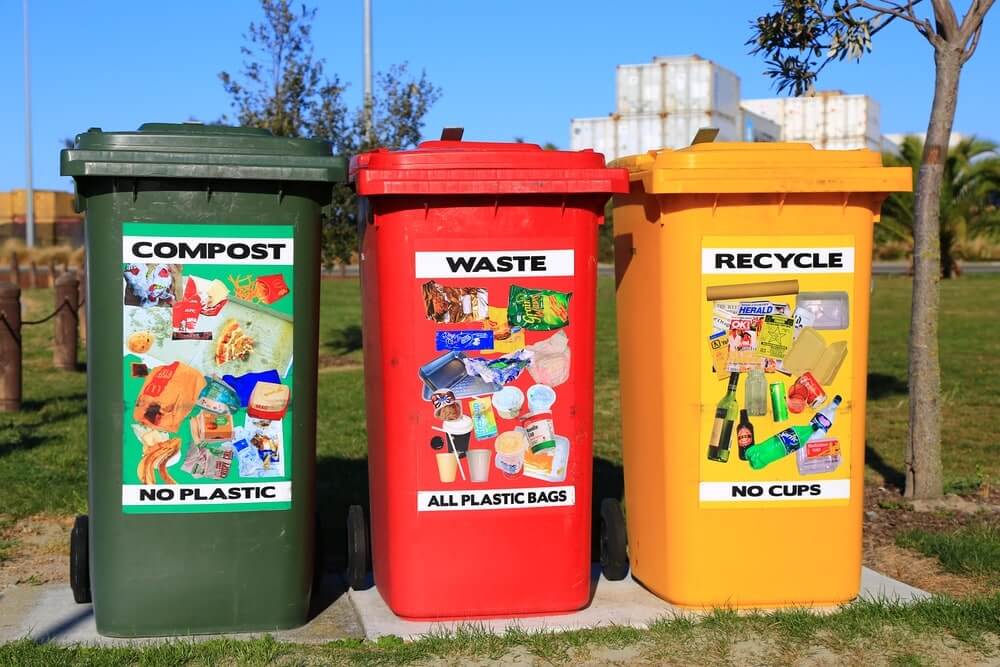
Recycling can be an effective way to Reduce Household Waste, but only when done correctly. Many families struggle with recycling confusion—what goes where, what’s acceptable, and what contaminates the process.
Tips for a successful recycling setup:
- Use clearly labeled bins for plastic, cardboard, paper, cans, and glass.
- Keep your local recycling guidelines posted near your bins.
- Rinse containers before recycling to avoid contamination.
- Flatten cardboard boxes to save space and prevent overflow.
A simple, organized system ensures that recyclable materials don’t end up in the trash by mistake.
5. Composting Turns Waste Into Nutrient-Rich Gold
Composting is one of the most effective ways to Reduce Household Waste, especially food scraps, coffee grounds, eggshells, and yard debris. Instead of letting organic waste decompose in landfills—where it produces methane—composting transforms it into nutrient-rich soil.
Benefits of composting:
- Reduces landfill waste
- Supports healthier soil for gardening
- Eliminates odor-causing scraps in trash bins
- Reduces the need for chemical fertilizers
Families can compost using bins, piles, or small kitchen composters—whatever fits their space and lifestyle.
6. Donate, Repurpose, or Sell Unwanted Items
Many items tossed in the trash are still usable. Before discarding old clothing, toys, furniture, or electronics, consider other options:
Smart alternatives to throwing items away:
- Donate gently used goods to charities
- Sell items online through marketplaces
- Repurpose furniture or décor with DIY projects
- Offer items to neighbors or local groups
Not only does this help Reduce Household Waste, but it also benefits others in your community and supports a more circular economy.
7. Buy in Bulk and Choose Minimal Packaging
Packaging waste fills up trash cans faster than most households realize. Plastic wrappers, bottles, boxes, and bags accumulate quickly.
Try these waste-reducing shopping habits:
- Buy bulk items like grains, cereals, and snacks
- Choose products with recyclable or minimal packaging
- Opt for concentrated cleaners and refill pouches
- Bring reusable produce bags when shopping
By minimizing packaging, households can significantly reduce their weekly garbage output.
8. Repair Instead of Replace
In today’s throwaway culture, it’s easy to discard broken items. But repairing instead of replacing is a powerful way to Reduce Household Waste.
Items worth repairing:
- Clothing and shoes
- Small appliances
- Electronics
- Outdoor equipment
- Furniture
Simple fixes like replacing a zipper, gluing a broken chair leg, or swapping out a small appliance part can keep items in use for years.
9. Use Energy-Efficient and Long-Lasting Products
Some products contribute less waste simply because they last longer. Investing in durable, high-quality items creates less garbage in the long run.
Examples of long-lasting swaps:
- LED light bulbs
- Rechargeable batteries
- Quality cookware
- Reusable food pouches
- Heavy-duty storage containers
These choices reduce waste and lower household expenses.
10. Partner with a Professional Waste Disposal Service
Even with the best efforts, households still produce waste that needs responsible handling. This is where a reliable disposal company—like Elite Disposal Services—makes a huge difference.
Benefits of using a professional disposal service:
- Safe disposal of bulk items
- Proper waste management and recycling
- Convenient pick-up schedules
- Eco-friendly waste handling
- Support for seasonal or project-based cleanouts
When families pair smart waste-reduction habits with professional disposal services, they achieve the best results for both the household and the environment.
Final Thoughts: Small Changes Make a Big Impact
Every family has the ability to Reduce Household Waste through simple daily habits. From avoiding food waste and choosing reusable products to composting, recycling, and repairing, these actions contribute to cleaner homes and greener communities. When combined with professional disposal services, waste reduction becomes even more effective.
By being more mindful about what you buy, use, and throw out, your household can make a lasting positive impact—one choice at a time.